
Prologue: T.aking S.tock
TS scans her surroundings incisively, and her gaze sweeps into her future and her past with equal acuity. This I can see clearly after a mere two days of close, intentional listening, so manifest is her vision.
I strive here to emulate her, to honor her art in kind in this space.
On this journey, I embarked first to emulate and honor Kelefa Sanneh, whose excellent book Major Labels is molded from two strengths that I have sought to cultivate in myself as a writer and a teacher: taking in a broad range of ideas and experiences with an open heart, then synthesizing those to sketch lines of generative connection across disparate spaces. These I have acquired some skill in, I thought; but Sanneh slaughters me on both scores, listening so catholically and integrating so adeptly as to put me to shame.
I engage artists in phases. Since I was about 13, I listen obsessively to a new favorite, forsaking other sounds to spend all of my time with the fresh art, immersing myself in album after album in that single body of work as if swimming for an unseen shore, reading everything I can read, talking to any like–minded fans I can find. What I’ve never done before, though, up to now, is carefully track such a deep dive in this blog space. I strive here, now, to emulate and honor the sustained reflexive commitment I hear already in TS, having yet only put my toes (earlobes? Mine are long enough to reach!) in.
Why her? Why now? Sanneh structures his book into studies of seven popular genres; I proposed to the friends who agreed to read with me that we each choose one artist from each genre who is (relatively) unknown to us as a listener and who is treated with some significance by Sanneh. I leapt at the chance to claim, first, as my “unknown to me” artist in the Country genre (where Sanneh slots her), Taylor Swift.
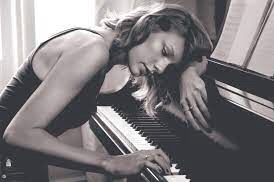
I’ve been tickled by this sense for several years that I might be missing something in ignoring Ms. Swift despite my having been conditioned—as a hard classic rocker who’s spent most of my adult listening time on jazz, classical, Beatles, and Dylan—to be dismissive of pop and disgusted by country. “Shake It Off” was, until two days ago, the only song I could name or recognize in the aural culture space as hers, but I saw her perform a couple of songs, solo, at the piano several years ago in a music awards show and was rather impressed, to my great surprise. I have also read, and heard from a few trusted others, reports of what an exceptional songwriter she is, regardless of idiom. I had the vague sense that her feminist politics were admirable. And then there’s the Beatles effect: I’m confident that popular taste often diverges from my own, and I commonly find myself untroubled by celebrity fame and fortune in the arts—however, when that fame and fortune is this level of overwhelming, I figure there has to be at least something to investigate. So I had done these sorts of very casual looking, but no listening, before this leap. She suggests I should look before I fall—and it’s true, utterly bewildered and feeling foolish about my belatedness, I have fallen.
Herein, I set out to write from all the way inside.
——————————————————————————————————
I: T.hanks S.adie
I’m writing these notes as I listen on a plane trip across the country.
Even though my plan remains to work chronologically through the Swift body of work, as your mom advised, I started with 1989, anachronistically. My logic was that it might be a strong foundation for me as an entry point, because I am (largely because of P!nk) more open–hearted, typically, as a pop listener than I am as a country listener; also, pop by definition is just easier to swallow, the mac & cheese of the music world. I suspect this was a savvy choice, because 1989 is truly delightful. I listened twice in a row. I was struck by the following on what will now always be “the first TS album I ever heard”:
—Wow, she’s funny; really very funny. I’m immersed like most of us in a modern media world of celebrity digs and diss tracks and so on, so I have some context to judge; P!nk is plenty witty herself, as a lyricist who makes those lyrics sparkle with phrasing and timing as a singer. Of course, from my quirky vantage point as a weird kind of undereducated pop listener, I found right away that listening to 1989 reminds me a lot of listening to P!nk, in a positive way. I’m reflecting on my sense that song structures and production values, even ones I really like, can be readily imitated (or, to put it more favorably, shared) among people in the music industry, especially when it comes to people as overwhelmingly successful as Taylor or P!nk. But wit and comic phrasing and timing, those are much much harder to emulate and to get right in the midst of trying to do so many things right. Swift absolutely gets it right, throughout this album, and is just very, very funny.
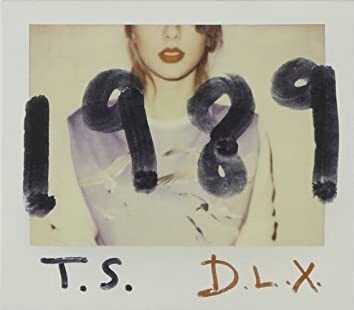
—This attention to well–judged wit fits with one common journalist/critic observation I have read about Swift, as well as one other thing I am rapidly realizing: (1) Her attention to detail, in every syllable and every beat, is audible…in fact, kind of overwhelming on 1989. So much pop is sloppy/lazy, to my ears, part of the “mac & cheese” vibe (“just do it vaguely like this and it will sound like reasonably tasty pop music” seems to be a common ethos); Swift is overwhelmingly, audibly precise and committed. This element reminds me, in terms of pop craft, of early Beatles—literally the highest compliment I can offer. (2) Connected to the wit and the attention to detail: WOW is she smart. Audibly, manifestly smart. I’m a middle–aged man who, despite my most fervent wishes to grow beyond this and challenge this, remains affected by widespread, incessant cultural messages like “celebrity pop stars are mostly dumb” and “young women might be dumb if they sing largely about romantic relationships” and “country music is probably all the way dumb.” Her intelligence, even through idioms I am not used to hailing as ways of using intelligence, confronts me immediately and totally. Nothing matters more to me, as an audience member, than intelligence, because I’m a nerd like that.
Listening to the debut now, with interspersed commentary from some radio personality in 2018, looking back 12 years, and most usefully with TS’s own snippets of observation from 2007 or so.
—To start with the obvious: This album strikes me overall after one listen as a pretty solid country album, one in which nearly every song is of equal quality, none earth–shattering but none filler, either; fine, moving along, I probably have more important listening to do, right? Then I think, especially so for a debut. Then I think, she really did have a major songwriting role in every single song. Then I think, she really was 17 years old. I say for the third time today, wow. Even the most closed–off listening self I can muster, one that expects to find country songs about crushes and teenage angst lyrically tedious and musically dull, would have to report, in all candor, that this young woman has exceptional promise, at the very least, as she sets out.
—One reason I am often skeptical of country music is the strong emphasis on obsessively mythologizing one’s own life in tedious detail; my cynical images include songs about porch doors and old dog after old dog and especially (yup, they’re here on this record too) damn pickup trucks. Swift takes up these materials in the debut, no doubt, but her perspective as a high school girl makes it a LOT less obnoxious. We all mythologize our own lives when we are 17. To her credit, this is partly the result of her own songwriting choices; she talks in one snippet about not yet having lived the life of a divorced woman or a mother or any of that stuff, and her commitment to writing about the experiences she actually has lived through. It’s a very positive reframing for me of a bothersome part of country…quite an accomplishment.
—I have the sense, again based on the comments of others I have read and what you have told me directly, that she will persist throughout her career in this “songwriting as journaling” approach. Especially given my respect for her thoughtfulness, this will likely end up reorienting at least somewhat my skepticism about the constancy of romance as a topic. Plus I work on my blog in ways that feel like they might have some commonalities with her approach, which builds a vital sense of identification for me with her.
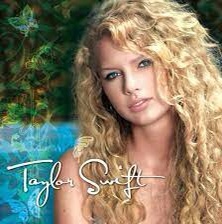
—Speaking of self–mythologizing: I have always had a big soft spot for songs very early in an artist’s career that I hear as incantations, bold writings of the artist into the success they one day hope to have as a way of bringing that success into being. Two favorites for me are Dave Matthews writing “Dancing Nancies” and Thom Yorke writing “Anyone Can Play Guitar” when each of them was unknown. There’s a lot of this on Swift’s debut record, and I dig it, especially from my belated “TS has conquered the world” perspective 15 years later: I quite like “A Place in This World” and “Teardrops on My Guitar” and, especially, “Tim McGraw” for this reason. I have really tried to no avail to like McGraw’s music, because I like his media image and his politics and his partnership with Hill; one of the great loves of my life, Molly, is a major McGraw booster and tried to play some favorites for me, but alas, I just don’t think I can overcome the parts of the country idiom that I find unpleasant in his work. I thought the same thing at various listening points about the Swift debut, something like “I can appreciate the importance of this album historically but doubt I’ll really listen to it even if I become a big TS fan; it’s just too country for me.” But the whole point of writing about music, for me, is that having written all of this, as I reflect on whether I might keep listening to the debut—you know, I just might. Ms. Swift, at least in the tiny tide pool of my personal audience experience, you have accomplished something your childhood crush and key musical influence Mr. McGraw cannot, on the very first record you made. Kudos.
It makes total sense to me, after one day of intentional listening, that you adore Swift and that she has influenced your music. I’ll keep listening to both of you!
——————————————————————————————————
II: T.a_____ S.omeday
Someday, Ta_____ … someday soon even, you can read these words and decide for yourself if you consent to be addressed by name here. Taylor, some days, does not seek permission, but invokes the Drews and the Stephens and even Tim by name. In Taylor’s feminism, the personal is performative.
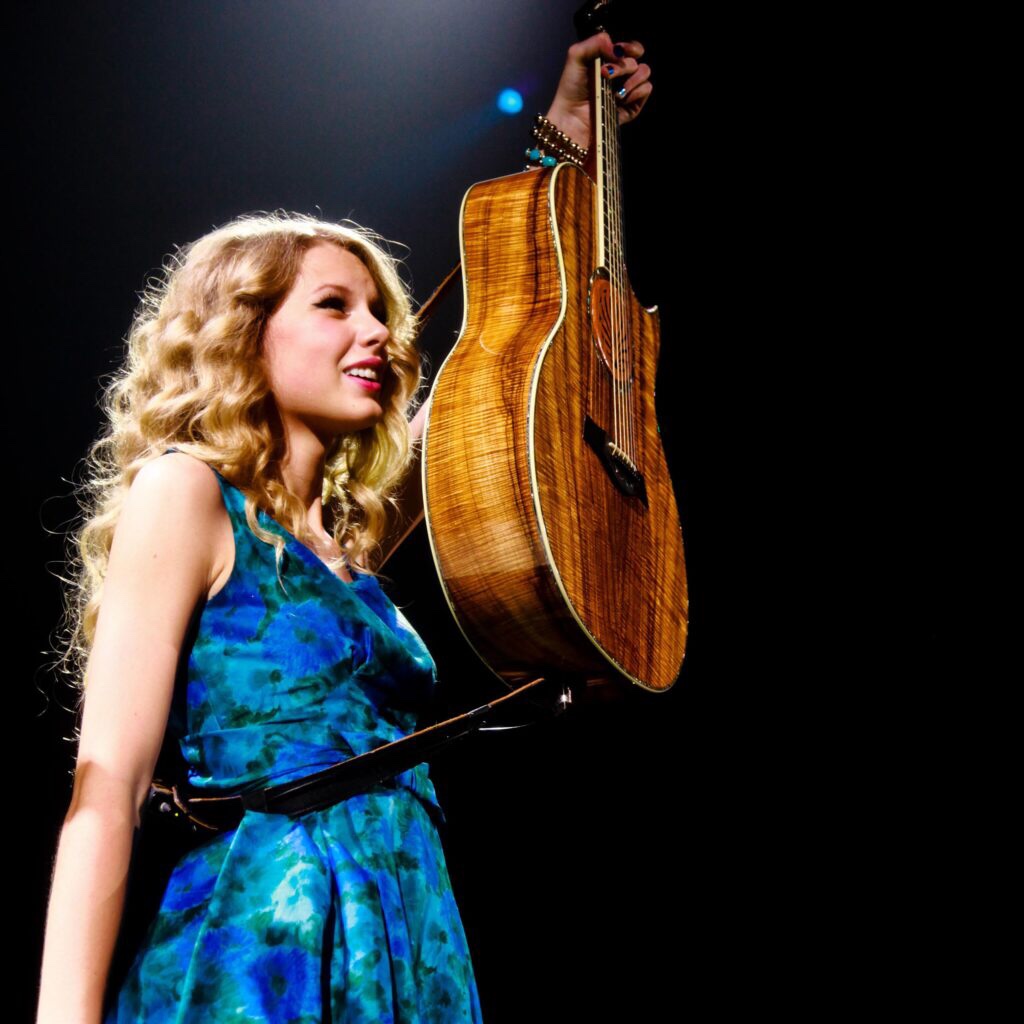
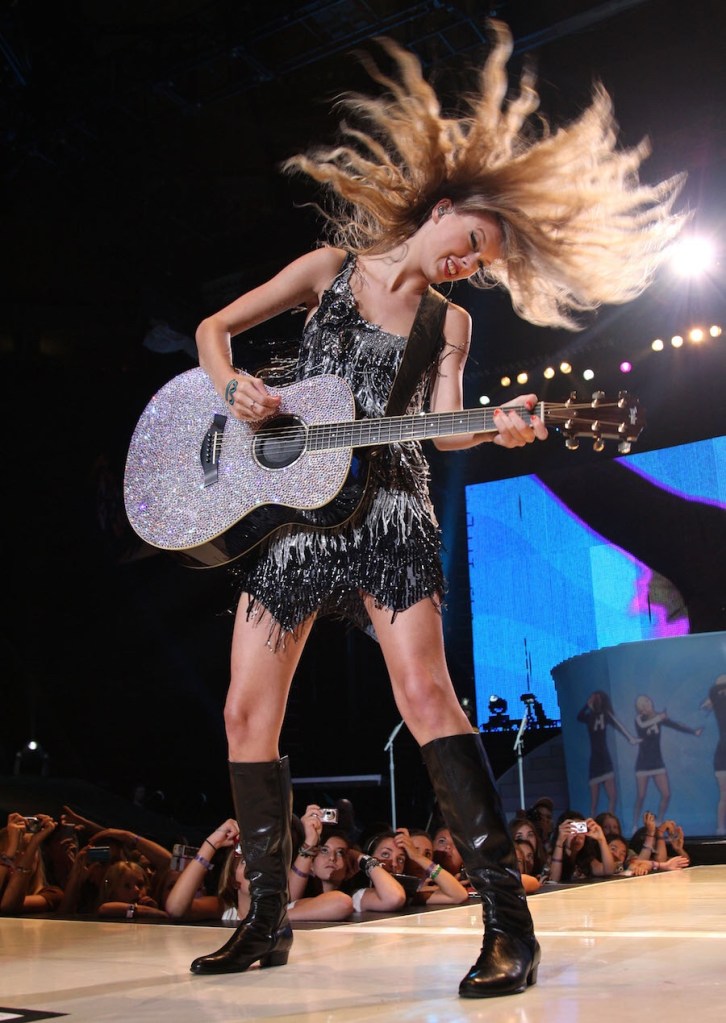
I see that ethic in you, too, when you make art for your family, when you embrace shared storytelling as bonding, when you show your pride in your athleticism and your musicality. You remind me of her in these moments, like the way she holds her instrument up high at the end of her performances of so many songs in the Journey To Fearless documentary. It’s a striking image onstage, an edgy juxtaposition that confounds and complicates the country idiom’s glorification of rusticity and restraint even as it embraces that same idiom’s esteem of self–reliant songcraft and hyperfeminity—perfectly coiffed young woman in glamorous, glittering gown gripping her guitar like the Grail of the Godhead.
Wait, what in the world am I writing? I’m doing this wrong, I’m not writing to you. TS never, ever makes this mistake, even when she challenges the frames she’s adopted. She found a massive, loyal audience to make her world–conquering dreams come true—in a legion of girls barely older than you are as I write this—by writing to them, for them, without fail. People demean her because of this. I feel this dismissiveness in myself, a snobbish undercurrent of refusal to take her art seriously that’s rooted in disregard for her core audience and that’s kept me from listening for more than a decade until now. When I Googled Journey To Fearless online as I got ready to watch, I found it listed as a “children’s television series,” a designation that the web site claims fits its “Knowledge Graphs” search algorithm. Flushed with new sprung fandom, a nascent Swiftie, I was indignant, outraged. At an algorithm? I can do better. TS proposes that boys and men can do better—in the documentary, she both exhorts men who worry about looking bad when named in her songs to “stop doing bad things” and gleefully celebrates young men at her shows who look like football players and adoringly belt out every woman–centric word of her songs. The Knowledge I’m building is that, yes, this artist gladly embraces the brazen idea that young people like you yearn, too, for art that filters the world through your concerns. This fits because she began her love story with superstardom as, herself, the very sort of person for whom she was writing—she wasn’t quite a child, but not yet a woman, either. The Graph she sketches throughout Fearless, a magnificent record that for me just grows and deepens with each listen, is an upward slope joining touchstones of an adulthood earned through unsteadily striding forward as a teen. Beginning with the “Fearless” feeling of headfirst lurching into the future that every young person needs, especially every young woman like you who lives under the ancient shadow of patriarchy, we move through puppy love that bites hard, fairy tales that are first filtered through literary pseudonyms and then fall into laments for the absence of a savior, pleas for possession of the beloved that pass into paeans for the fable of fidelity and, ultimately, into exaltations of (literal) inspiration and self–care and, of course, in line with the ever–sloping Graph, an ending of hoped–for, unending “Change.”
What’s most admirable among all of this is how she educates me about the future she boldly wrestles into being, teaching me to pay attention differently—something you do, too, every time I’m with you. I’ve been taught to think of musical acts that appeal to tweenaged girls as, by definition, pandering. But you and I, Ta_____, we know that not all art for young people merely panders, because you and I have shared Frozen and Moana and Coco and Encanto together–films that play on a rich range of levels musically and visually and thematically for all kinds of viewers. TS doesn’t pander, she proposes, and when we accept those proposals and embrace her we are rewarded, pain and all, as in any relationship by becoming other than who we were. What else can we ask of art, for any kind of audience?

As for what else we can ask: That guitar held proudly aloft means so much more, has so much more transformative power, than just reshaping what poses a “crossover country star” might legibly strike on stage. I’ve learned firsthand, through a professional guitar teacher here in California (come visit!) and through a terrific singer–guitarist–songwriter–bandleader in North Carolina, that music stores starting a couple of years before you were born have had to alter their marketing and staffing practices because of the flood of girls rushing to buy and play guitars—almost entirely because of Taylor Swift. By itself, to my mind, that cultural growth is well worth every single dollar she will ever reap. What I most hope for you, Ta_____, is that you see in yourself every possible story, that you glimpse in yourself every possible future as you choose which one you will pursue.
There’s so much thrill in witnessing TS transform herself, through her diaristic songwriting and dedicated performing, becoming who she imagines herself to have been in these songs. One reason I love to blog about music and film is that I feel, as I relax this way, as I care for myself this way, like instead of being lost among the whizzing furor of passing time, I am, as I listen and watch and write, wedded to time instead. I don’t think I’ve ever encountered any musical artist who I’m dead certain gets this vibe as much as Taylor Swift gets it, and I’m so thrilled, I say again, that she’s the first artist for whom I am blogging through the full arc of an intense “discovering the artist” phase. She understands that the best we can do, if we are fortunate enough, is to create our lives as art projects. I wrote in my last TS blog entry about how I have long loved incantation songs from a soon–to–be–but–not–yet–famous artist, songs like “Tim McGraw” and “A Place in This World” and “Teardrops on My Guitar.” Maybe my favorite moment among decades of listening for songs like this is in “Hey Stephen”: “All those other girls, well, they’re beautiful, but would they write a song for you?” It’s maybe my favorite moment because the incantation I would write for you, Ta_____, is that people (crushes and otherwise) judge you not by how you appear but by what you decide to accomplish and, by beholding that, learn how to love you.
As for incantations: It’s some kind of magic, the way I so quickly feel I’ve heard these songs for years. I never listen to country radio, for any reason, yet the first time through this album I swore I’d known “Forever and Always” for decades—this must be a cover, I guessed, she can’t possibly have written this song herself when she was eighteen, I goggled. This is what the detailed science of great pop songcraft can do: Convince us apparently immediately that we are in the grip of the uncanny, new songs worming inside us to grow in mere seconds into sounds we’ve heard, yes, Yesterday, that we’ve heard, yes, Forever and Always. “Back up, baby, back up”—In this grip of an uncanny sense of what has come before, we look as if through a Potterian pensieve not only into an artfully invented listening past but also into an artfully invented listening future: I’ve cheated, you see, Ta_____ (hee hee) and not played this game with the rules I made up. I’ve peeked! I’ve listened out of chronological order, several times, to 1989, her purported pivot into mainstream pop—and though I love that record too, this one, Fearless, already weaves into its country spell plenty of show tune sensibility and pop phrasing and hip hop flow. Yes, I know, Nashville started to remake country & western’s down–home, lonesome picking with lush pop production a couple of decades before TS was born. Yes, a quarter century later, I first found my way to Nashville the very same way Taylor took, through The Chicks and Faith Hill and, especially, Shania Twain. But none of that was ever quite like this. The pop power of 1989 is already every bit encoded in the DNA of this, her second record, and I need neither pensieve nor lab analysis to perceive that.
One way I hear this is in the overwhelming profusion of glowing moments of vocal phrasing and tone that shine out like jewels amid the setting of these well–structured songs. These aren’t refrains, they’re in the verses and the bridges, these gems. “Staying back and watching me shine” and “I told you I’m not bulletproof…now you know” and “Well, it’s a sad picture…the final blow hits you” and “I’m standing there on a balcony in summer air” and “Right there in the middle of the parking lot” and “I’m listening to the kind of music she doesn’t like”—these are just the ones living with me now as I write this. On my first listen to this album, some songs stood out as catchy, while others sounded simply suited to the sequential surface of a solid country album—and then I realized, as that first listen finished, that no song at all felt incapable of growth, unworthy of revealing more layers. Further listens have fully confirmed this…thirteen numbers that all belong, no misstep among them. But I cheated in another way, Ta_____, because I started not only with the original Fearless album but with Taylor’s Version, another fourteen tracks on the bonus disc, twelve of them other songs left off the record at the time of its first release. I am astonished at the geyser of strong music gushing from this woman, on her second album, while she was still a teen. I’m skeptical of the Pennsylvania origin story, because with this many songs bursting out of her, like Dylan, like Prince, surely she must be from Minnesota?
No, I kid. But you, kid, you can do better than me—which is what we always wish most fervently for the younger people in our family. You can, much earlier than I managed, learn to listen with an open mind and an open heart. You can take it all in and make it your own as you remake our world. I admire TS immensely because she has remade our world. I admire this record immensely because it gave so many girls the gift I most want to give you as you follow their path to adulthood: To you, Ta_____, whose uncommon sensitivity to suffering has sometimes led you up to this point in your young life to choose to shrink, to choose to safely turn away, I want to give the courage to face the life that awaits you and those around you with power and pride. I long so much for you, in these ways, to be Fearless.
——————————————————————————————————
III: T.wo S.peakers
Dear Sadie: I need your help. You graciously offered to help me with my TS journey, and I’ve benefitted from it, and here I very much need it because you love Speak Now.
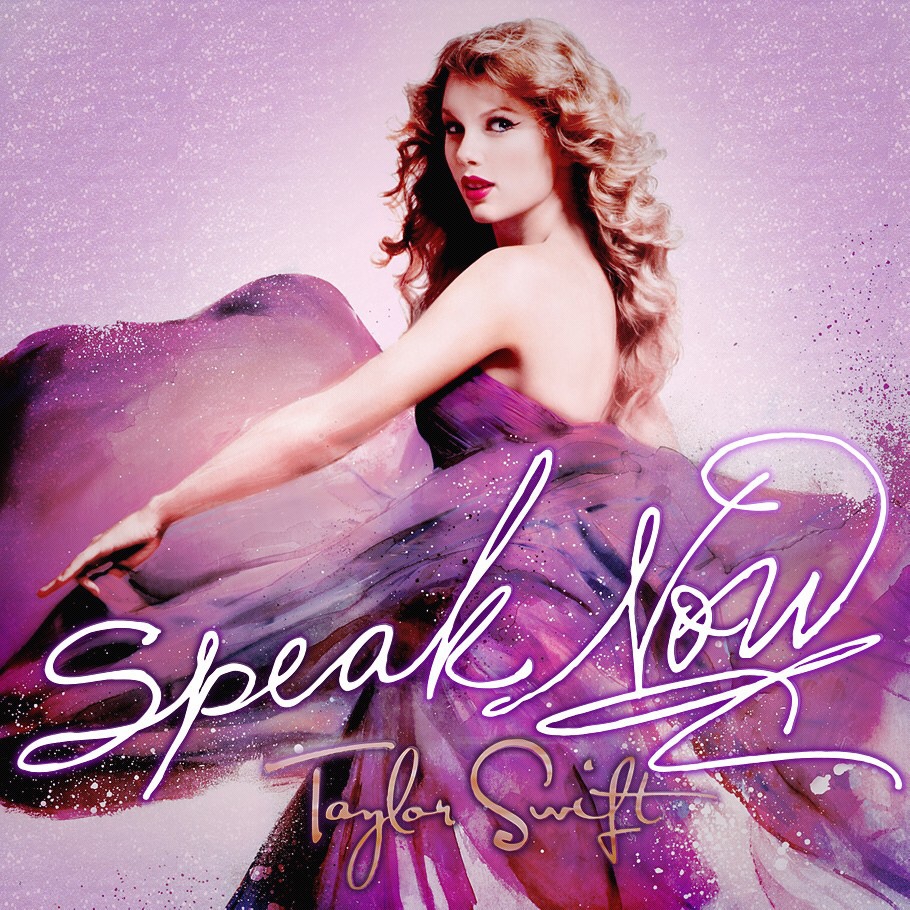
I’m glad you love this album and am eager to learn more about that, so I can come to love it more myself. I love Speak Now as a title for it, for a start. The title track, one of my favorite songs on the record, puts a fun twist on a key speech act tasked of the audience in a wedding, but the same phrase acts out in another way as an epitome of this union of songs: A newly established superstar popular artist–celebrity speaking from her (then) here and now, offering often bitter expressions of self–reliance and self–love that make the sparklingly structured spaces of fairytales, falls, and futurity in Fearless seem so much more innocent from this new standpoint.
A great strength of TS, for me, is how ceaselessly she invites listeners to meet her authentically, as a growing person, through her songs. This is very difficult to accomplish within our mainstream mediascape rife with “real” cops and “real” bachelor–billionaires and “real” housewives and “real” stolen sex tapes that create an entertainment culture vastly less real–tasting than Oreo “creme.” At an even further remove, I’m an established Bob Dylan scholar (wow, I love writing that with pride, especially when writing with an actual musician!), and Bob is the strident, screeching avatar for a common songwriter’s screed, that audiences should never mistake the narrator’s life for the author’s life. Taylor clears these hurdles with ease—I am completely convinced that the person I meet through her music is at least an aesthetically rich refraction, if not quite a transparent reflection, of Ms. Swift the person. I like that in her art. But on this album for the first time in my chronological journey, I’m not sure I like the artist.
I try to trust the tale, to fight against this impulse to judge her based on a collection of diss tracks and distrustful posts–mortem. For one thing, I’m past fifty, and she was turning twenty, so the teacher in me reminds me of how fast and feisty and fitful I find growth in students of this approximate age in our classes together—in other words, students of your age as we write this entry together. I say again, I need your help in particular. I value the chance to hear her at this age grappling with new mega–fame and new relationships and new paparazzi and Kanye Godforsaken West, and I don’t pretend to know how I would respond were I in her place. But after my first few listens I find her so frequently here, especially in “Speak Now” and “Dear John” and “Better Than Revenge” and, yes, even in “Mean,” responding to others in ways I think of as “mean”—not merely in the ordinary sense of “mean” as “interpersonally cruel” (I don’t necessarily begrudge her that, given her subject position as a young woman biting back in the deafening blare of hyper–scrutiny, and I don’t begrudge her that even a little tiny bit in rebutting the Wests and Lefsetzes of the world), but also in the more complex sense of “mean” as “lacking in generosity and openness.”
I mean, I’m fully on her (and Borchetta’s) side in the rhetorical context of “Mean.” First of all, Scott’s right, the point of art is not technical virtuosity or even precision, and vocalists are supposed to do much more interesting, interpretive work in music than merely impress listeners with operatic acrobatics or accompany Stevie Nicks (here’s where being a Dylan scholar gives me a very firm leg to rest my case on). Moreover, let’s say you’re an elementary–aged kid whose genes have left you with the vocal instrument they’ve left you with, limited though that instrument may be; what would a critic or teacher, present or future, have you do? Disqualify yourself in advance from ever appearing live on the Grammy stage? Or, instead, dedicate yourself with astonishing focus and persistence and will power from this tender age, day after day, so much so that other kids think you’re weird, treating songwriting and performance as disciplines and vocations and not just art? A+, maybe as good as any student ever. Work carefully to nuance and develop your vocal skills over time as your instrument and body age in the public eye? A+. Create a relationship with your listeners that invites them to hear themselves in your voice and believe that they, too, can write and sing, rather than feel awestruck and inferior and silenced in the face of your vocal perfection? A+. Lefsetz writes well on many occasions, but he was every single kind of wrong in this case. He gets an F-.
Maybe I’m not supposed to like this version of her, but to just respect her for the generosity (or lack thereof) and openness (or wall–building) that she needed to show us at this time in her life. Like so much of the time with Dylan’s work, one question I’m left considering is: How much can we ask art to bear for us, as a culture? Like so much of the time with Dylan’s work, I’m divided. Swift’s chastised after Speak Now for slut–shaming and anti–feminism, and some of that criticism seems on point to me. She’s songwriting from a specific standpoint, sure, which means we witness her growth along all its complex vectors, and I’m glad for that. But I feel like in the debut and in Fearless she shared with her fans aspirations, however narrow and Disneyesque, and now she’s Speaking scorn and shriveling the fabric of her (and our) hopes. I don’t want her young female fan base to find fellowship in the kinds of divisive, snarling caricatures of one another that I hear here—but I know there’s a vital place for anger, too, for young women most of all. I don’t want music to have to hold the weight of buoying our transformation or our restoration, at least not forever and always; no one’s more bitter and biting than Bob, so how dare I publish about that salty old coot while pushing Taylor, a young women, not to be this “Mean?”
What I’m left holding onto is my own parallel efforts at sense–making through art, here in this blog, recognizing that these are partial and inchoate and evolving just as hers are. I don’t want to be Lefsetz, holding myself up as acontextual arbiter of aesthetic success in song, so I’ll try to be more precise in my critiques: I wish for a certain kind of openness even in songs of rage or disgust, in which the lyrics might allow us in and invite us to wrestle with those feelings when they’re apt in our lives; but Swift writes lyrics that are so on the nose that when they move from “Drew” to an unnamed “you” like across most of this album, they paradoxically sound even more thinly focused to my ears, less open. “The Story of Us” is a good example of this, I find; where are we, her listeners, in this Story? Have we disappointed her? How? To cite a song I like much, much better: Though I fawn over Fearless in my previous entry, I needed several listens to make sense of its many strengths. I’m learning, with your help, how to listen to TS. I can tell it’s changing me because of a first that happened with Speak Now: The very first time I heard “Back to December,” with no repeated listens needed, I recognized this track as outstanding. I love the allusion to the titanic influence of “Me and Bobby McGee” in the description of “freedom,” among many other elements of the song. But one element I don’t like so much, in this initial studio version, is the schmaltzy, overblown, string–laden production; I would very much like to hear “Back to December” with just Swift and guitar or Swift and piano. The point this exemplifies, for me, is that Speak Now has several qualities that sound to me like steps backward, giving me a bit more of what I worried I’d find during my TS dive rather than challenging me to behold unbidden jewels like the first two records have done.
Please teach me about this album and what else I can learn to hear in it.
Dear Keith,
First and foremost, I want to sincerely thank you for inviting me into your Journey to Taylor Swift. No, not only inviting me, but welcoming my thoughts so wholeheartedly. It is a painfully universal aspect of human nature to be standoffish, righteous, locked in one’s views. If you struggle with this, I would never know, because you talk and listen with an openness that I have rarely seen in a person, myself included.
I find myself overwhelmed every time I’m offered the opportunity to discuss Taylor Swift at length – I have so much knowledge of her life and work, I’m so emotionally moved by her music, I care about her so deeply as a person, she has shaped my life and career so dramatically… it’s a lot to organize into a soliloquy that makes any sense to anyone else. And I feel protective of her – celebrities face much harsher criticism than anyone would dare say to someone’s face, I care about this for every celebrity, but I feel it tenfold with her. I’ve spent so much fan-time with Taylor Swift that, when she is attacked by critics or other musicians or random people on the internet, I feel like a personal friend has been insulted in the same room as me. Please bear with me as I try to wrangle all of this into a comprehensive piece.
At this point, I have more than enough trust in your intentions to not be the least bit offended (on my dear Ms. Swift’s behalf) by your thoughts on Speak Now. I want to respond directly to some of your points/questions, discuss my own thoughts about the music, and throw in some behind-the-scenes aspects that help me love and appreciate this record so much. As I muse and respond, know that I appreciate your angle, and don’t necessarily disagree.
As you said, this is her first musical effort as an already-established international popstar. When she wrote her debut, she was nothing more than a hardworking highschooler on a solid career path. When she wrote Fearless, she was a very successful country singer who had yet to headline a tour or really be seen as a celebrity. The release of Fearless was, in my view, when the world really “met” Taylor Swift. With that in mind, I personally give her a little extra credit on every aspect of Speak Now, seeing as she was in such epically new territory in her life and work. And, as another important factor to me, Speak Now is the first (and last) album that my dear Ms. Swift wrote completely alone. Not a single co-writer or producer contributed to the writing or arranging of a single song.
I can see why it would feel like a different, less-likeable side of her comes through on this record. I agree that there are some lines and themes, in multiple songs, that feel venomous.“Better Than Revenge” most notably IMO, which I will talk about in more detail in a bit. But the title track, too, has a flavor of animosity that I personally strive not to feel. I see why you list “Dear John” and “Mean” in this category, and I have thoughts about that too.
Let’s talk first about the message/overarching theme of Speak Now.
Speak Now, to me, is about Taylor exploring her freedom to express all of her emotions, even the darker ones, in autobiographical songwriting. In life outside the realm of art, it is considered advisable to think through thoughts and ideas before acting on them. Most people would agree that thinking before you speak generally makes things work better. I believe this and practice it in life, and believe and practice the opposite in art. To me, one of the most beautiful things about songwriting is the process of letting thoughts out freely without pausing to judge them.
Eminem is a perfect example of how I feel about this. No one really believes he’s going to do the gruesome things he describes in his songwriting, to the point that the suggestion is almost comical; he’s not a murderer, he’s an artist. It’s a metaphor. Etc. He is simply experiencing all kinds of dark thoughts and feelings and letting them out, letting them go, through art. No one is judging him for expressing his trauma through poetry.
I like to think of it visually: I have a dark thought inside my body. I can either let it out or keep it in. Keeping a dark thought in my body does not sound like a good idea. Letting it out onto someone else also sounds bad. Letting out into art, however, sounds like I can let it out without putting it on anyone else, hurting no one. Great.
On a scale much smaller than the violence of Eminem, I feel this is what Taylor Swift is doing on Speak Now. It’s all about the fast emotions, the thoughts that you have before you can catch yourself and think something else. Think before you speak? For a lot of contexts, yeah. For songwriting as journaling? Speak Now, think later. I would bet that there are things on this record that she doesn’t stand for now. Maybe didn’t even stand for then. But the point is that she let them go, rather than bottling them up or personally attacking someone. (This was an especially challenging task for her, because at that point, people already had very strong ideas of who she was and what they were comfortable with her doing or saying. It’s hard to rise above people’s expectations. She was judged every time she put one toe into something people felt wasn’t “her.” Of course, it was all her, because she was her. But. Oh well.)
I’m a huge believer in the idea that every thought is okay, even if a matching action would not be. In my opinion, allowing thoughts and feelings to flow freely without judgement is vital in the process of accepting oneself. There’s not much you can do to control your thoughts, but you can control how much you let them influence your actions, how much you let each thing define who you are. Speak Now is full of sharp words, accusations, and even “mean” comments. Did she reflect that in the way she spoke or acted publicly during that era? Absolutely not. See Eminem: the things you say in your songs, even autobiographical, do not necessarily reflect how you behave in “real life.”
I would venture, in kind of a backward way, that this was even an important part of her modeling for her young and impressionable fans. (AKA me.) Showing that negative thoughts and feelings are allowed – and that they don’t turn you into a Bad Person – is a valuable lesson for the young girls who were listening to her music, watching her life, and figuring out who they were. And she was so young herself, with so much she had to figure out on her own about anger and heartbreak and how to handle feeling wronged. See my notes on “Better Than Revenge” and “Mean” down a little farther.
All this in conjunction with her first taste of complete songwriting freedom! I know this well, but not half as well as she does: expressing yourself authentically is a complicated process when it’s also your job. There are so many factors at play. What will make the most cohesive and artistic album? What will make the most money? What do the existing fans want, and what will bring in the most new fans? What will serve my vision the best? What is my vision without all these other factors? And on and on and on. Taylor describes her writing process of Speak Now roughly as follows: she was on the road touring Fearless. She was alone on tour busses and had no way of meeting with co-writers but was still experiencing life and thus still writing all the time. So, Speak Now happened by itself, almost on accident.
What a beautiful writing process that must have been! None of the surgical songmaking that she was already so accustomed to. No thought of how things would fit together into the next album. Just writing what she felt. And getting to put that into the world exactly as it is. A look into the unhindered emotional process of an intelligent young woman. To me, that sounds like a delightfully rare thing to witness, and one that mustn’t be tainted by fine-tuning or impulse-control.
So, Speak Now speaks one message to me in two parts: The first, validation of the full range of emotions that we all experience. Acknowledgement and acceptance of the unsavory side of having a mind that thinks and feels. The second, liberation from the pressure of having an agenda for all of this all the time. The only goal is letting it out.
You and I both appreciate a physical CD in track order, and I believe my dear Ms. Swift does too. I want to go through and just briefly talk about each track in order.
Mine. I love this song. I feel it’s the perfect opener for this record. It’s the story of a girl who is imperfect, jaded from childhood trauma, and unsure how to have a successful relationship. Over the course of the song, excitement turns to love, and love grows into commitment. She sees her flaws affect her – and her relationship – and finds that her partner is not daunted, but wholly excited to love her through it all. Any healthy relationship, romantic or not, involves mistakes and growth and all that jazz. This song, to me, is a snapshot of a big part of what the overall record suggests: we can be loved, and we can be good, even through darkness.
Sparks Fly is one of my favorite songs of all time. A large part of that is simply that I relate to the feelings in it, and I find the melody very compelling. I won’t get too deep into this one, but I think it is another example of letting less savory aspects of oneself be free; this time, she’s attracted to someone who is a “bad idea.” Har har, we’ve all been there. She acknowledges this in the song, and also shows what good she gets out of it. Sure, she didn’t end up with this person, but it was clearly a very exciting courtship for her, and that is valuable.
Fun fact: she wrote this song when she was 16 and didn’t think she would do anything with it – then she revisited it and felt it would fit this album.
Back to December. Surprisingly, not one of my favorites to listen to, but I do think it’s one of the best-written tracks on the album. Mistakes are hard. And she so shamelessly takes responsibility for what she feels she did. No expectations, just gratefulness and shame and remorse. You can feel the humanity in every line. What a perfect song.
P.S. at live shows, she usually plays this one by herself on the piano. Have you heard it? I suspect it would appease your desire to hear it without the giant string section.
Speak Now. Here, to me, is the first instance of an attitude that I don’t agree with. To me, she is uncomfortably judgmental of the other woman. I don’t like how she insults things that seem irrelevant. “She is yelling at a bridesmaid.” Maybe this reflects badly on the bride, but maybe she is super stressed about her wedding and just lost her temper. “Snotty little family.”Why are we talking about this? Why do they matter? “Dressed in pastel” and “gown shaped like a pastry” also miss for me – attacking someone’s clothing choices in this way almost always misses for me. HOWEVER, I’m sure she was just hurt and letting thoughts run as they ran, which I stand for. Wishing ill on the woman who has the man you want is, in my estimation, a real step in the process of figuring out how to handle heartbreak. This is a “Speak Now think later” moment for me. I’d bet anything that she doesn’t remotely feel this way now about any woman and hasn’t in years. She was publicly scrutinized for nearly her entire adolescence. She had to figure out a lot of stuff while we watched. I forgive her.
Dear John is one you list among the “meaner” songs on the album. I hear you. From a songwriting standpoint, this song makes so much sense to me. It’s hurt and sad and angry and disappointed; it is heartbreak. And I firmly believe that, when writing heartbreak, anything goes. It’s not about logic, not even about what’s true. It’s such an overwhelming, confusing, inconsolable kind of pain – for me, songwriting is the one and only way through it. The way I see it, everything in this song is real – the reality for “John” might be different, and his POV is valid too, whatever it is. When you’re hurt badly you sometimes have to yell and scream and break things, and that’s what she did via this song. It’s not about “John.” It’s about her.
Mean reads not unlike Dear John to me, in that I feel she was hit with a kind of hurt she didn’t know what to do with. Maybe feelings of betrayal, too. Stuff she had never dealt with before. As is my guess with Better Than Revenge, I bet she would not say a lot of these things at this point in her life. But at 19 she was dealing with more pressure, more negativity and criticism, more “meanness” than I can begin to comprehend, and I believe that the way she lashes back in this song is a natural and okay part of her processing. Speak Now think later.
The Story of Us. I’m not sure what you meant by your thoughts on this song, but I’ll plow forward with my own. This is another of my favorite songs on the album. I think what I really love about it is the way it seems like a story on a page; like even she isn’t there, like we’re all together watching this tragedy play out and we’ll tell the story later as a thing of the past. I feel that she has kind of stepped outside to look at the situation objectively. “The story of us looks a lot like a tragedy now.” It’s such a delightful and fresh way to approach a song: the feeling that, even as it’s going on, you can feel it about to become… just something that happened. A future piece of your history.
Never Grow Up. Honestly, I don’t have much to say about this song. It has made me cry on multiple occasions, yet it is not one of my favorites. I do think it fits quite perfectly into the theme of writing exactly what you feel; surely she doesn’t actually want her little brother to never grow up. But I feel her in this song, paralyzed by the inevitability of change. Change can be so frightening. She lets out that fear so that she can move on to being so happy for his growth.
Enchanted. Maybe my favorite Taylor Swift song of all time. Maybe the one thing that tips the Speak Now album into first place for me. A vignette of an enchanting evening, followed by the witching hour aftermath, the overthinking alone in your room. It’s quite as simple as that. Pure and excited and authentic. I’m finding it hard to articulate the sparkle I feel when I listen to this song.
Better Than Revenge. If I were told that Taylor Swift regrets one song she’s written, I would guess it is this one, just because of that one line. “She’s better known for the things that she does on the mattress.” Overall, I feel this song is a prime example of my idea that anger and animosity are healthy parts of the songwriting process. Again, I’d bet anything that she has developed different views since she wrote this. No big deal. We’re all constantly evolving. The “mattress” line tests the limits for me, but I do maintain that she was amidst a normal and healthy process of figuring things out, and I will not fault her that just because she was in the public eye while she was doing it. With so much slut-shaming and women-against-women engrained in all of us, I am nothing but proud of how far she has come since those lyrics.
Innocent is interesting. Speculated to be about Kanye West after the VMA incident. Assuming that’s true, I’m incredibly impressed that she looked inside her heart and found this to be her response to what happened. While a little condescending for my taste, it is a haltingly soft message. She takes on an almost parental tenderness, assuring him that he is not defined by his mistakes – here we circle back to my view of the album as a whole. A person can be good despite dark thoughts. A person can be good despite mistakes. Goodness is bigger than that.
Haunted. One of my favorites on the record, but also one about which I have little to say. I find it as compelling sonically as it is lyrically. We sit with her in the moment she realizes she is doomed. “Come on, come on… something’s gone terribly wrong… something keeps me holding onto nothing…” panicked, scrambling to keep something she knows is already gone. Haven’t we all been there? Her vocal delivery is as frantic as the lyrics, which I think is lovely.
Last Kiss. When I saw her Speak Now tour, she played this by herself with her guitar. She said, “People talk a lot about the first kiss, but people don’t talk a lot about the last kiss.” She talked about how sad it is that you don’t get to know when your last kiss is. To me, this song is just sad – not angry, not amused, not anything but sad. I love a song that is just sad. “All that I know is I don’t know how to be something you miss” is such a hopeless sentiment. Lovely.
Long Live evokes strong emotions in me. The feeling of nostalgia is a hard one to capture, I think, because it is usually created by circumstance and not by any particular item.This one grabs it for me, though – a tasty mixture of bittersweet, acceptance, and a strong, hearty fondness. Standing in the present and feeling how fleeting that is. Joy for the moment, and the pang of knowing it’ll be over. Love that.

